Alistair Hall

Alistair is an author of historical fiction and nonfiction based in the Scottish borders. His work is based on decades of meticulous research and is firmly grounded in his detailed knowledge of Dark Age Britain.
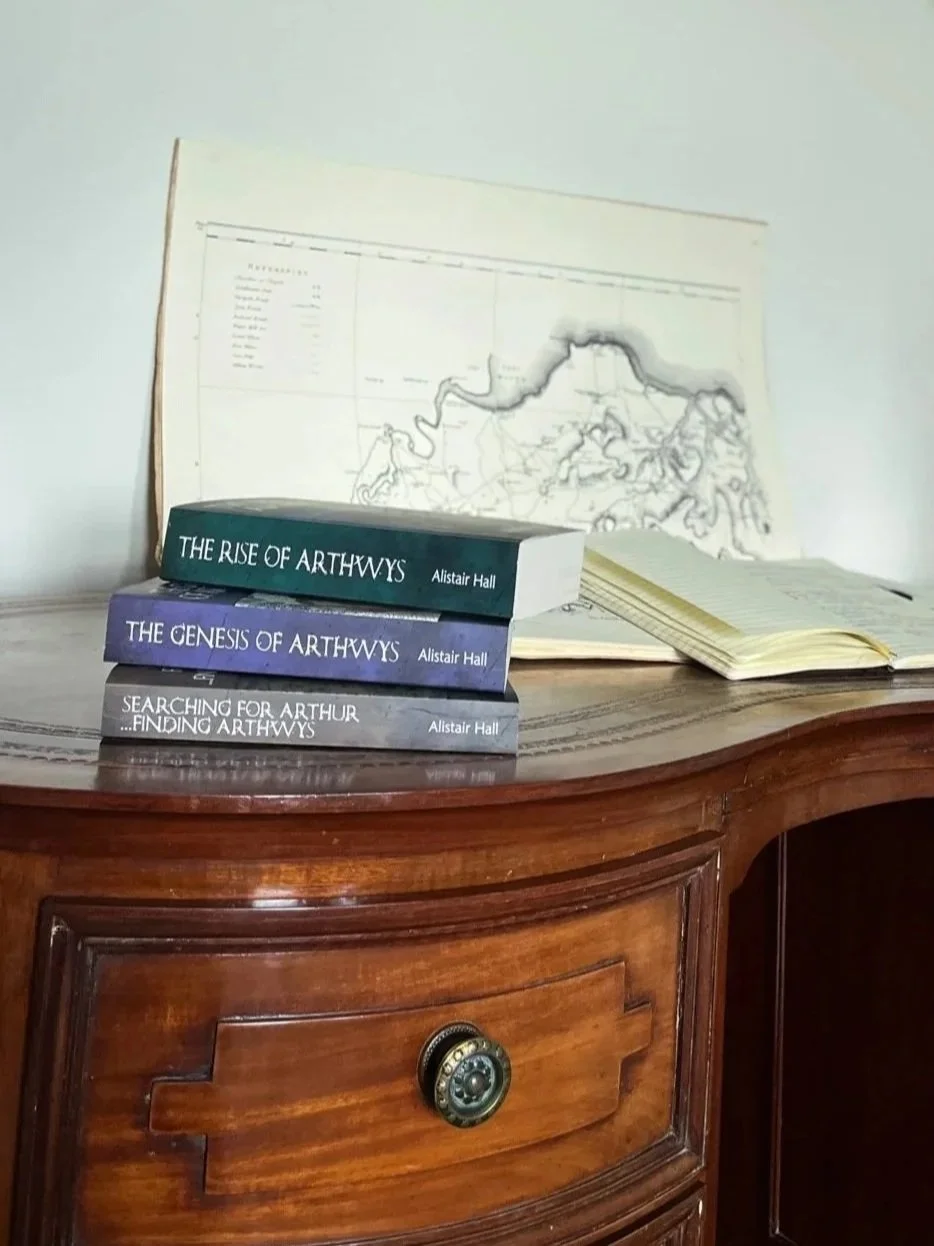
Arthwys of the North
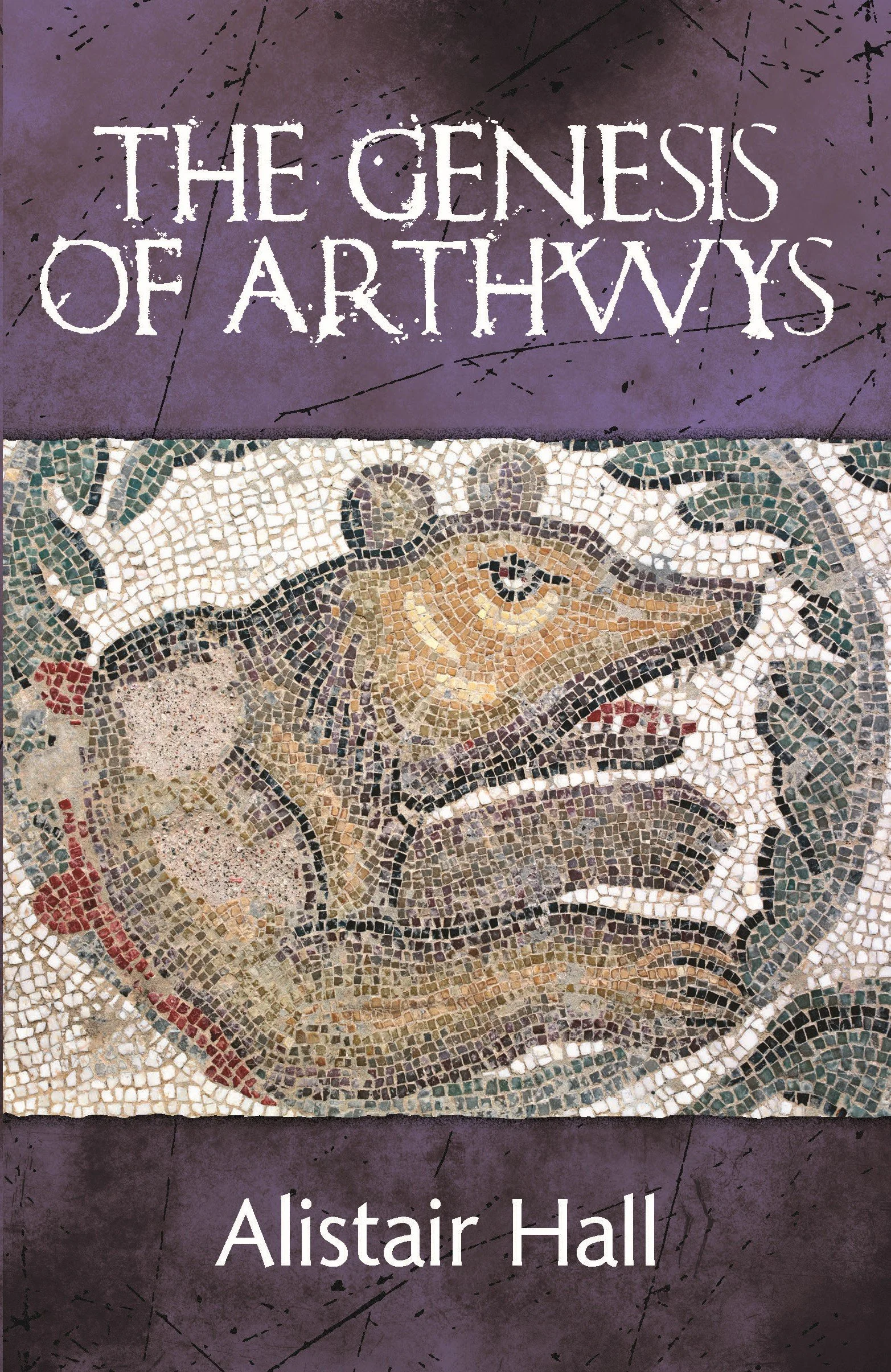
Explore the fiction series which tells the story of the real King Arthur in Dark Age Britain beginning with Book One: The Genesis of Arthwys. These books can equally be enjoyed as standalone stories.
AD 412. Britannia is breaking apart.
The Roman legions are gone, leaving rival warlords to fight for control as Saxon forces push relentlessly inland.
In the north, mighty war leader Coel Hen has defended the frontiers for decades. But now he is dying, and with him, the fragile unity of his kingdom begins to collapse.
If the kingdom falls, it will not be to the Saxons alone, but to civil war.
Talhaearn, Coel’s adopted son, is forced into a role he was never meant to inherit. To survive, he must unite Coel’s divided family, command a fragile militia, and protect the young prince Arthwys, the boy who may become Britain’s greatest war leader.
But loyalties are shifting, and betrayal is close.
Here, survival demands more than strength. And not all loyalties will hold.
Listen to an introduction to the book and an excerpt from Chapter Twelve read by the author Alistair Hall
Read the thrilling conclusion of the series.
Will Arthwys save his kingdom, and at what cost?
AD 446. Britannia is at war.
As Saxon armies press inland under their leader Hengist, the fractured kingdoms of Britannia face an imminent threat.
In the north, Arthwys, heir to the kingdom of Elfed, must prove he is worthy to lead. Surrounded by rival warlords and uneasy allies, he struggles to earn loyalty in a land where power shifts quickly and trust is easily broken.
As the fighting intensifies, Arthwys is drawn into a brutal military campaign that will decide not only the fate of his kingdom, but his right to lead it. But the greatest threat lies closer to home, where ambition and rivalry within his own family risk tearing apart everything he holds dear - even his marriage.
As the Saxon war deepens, Arthwys must decide what he will sacrifice to save his kingdom.
The History behind the Myth
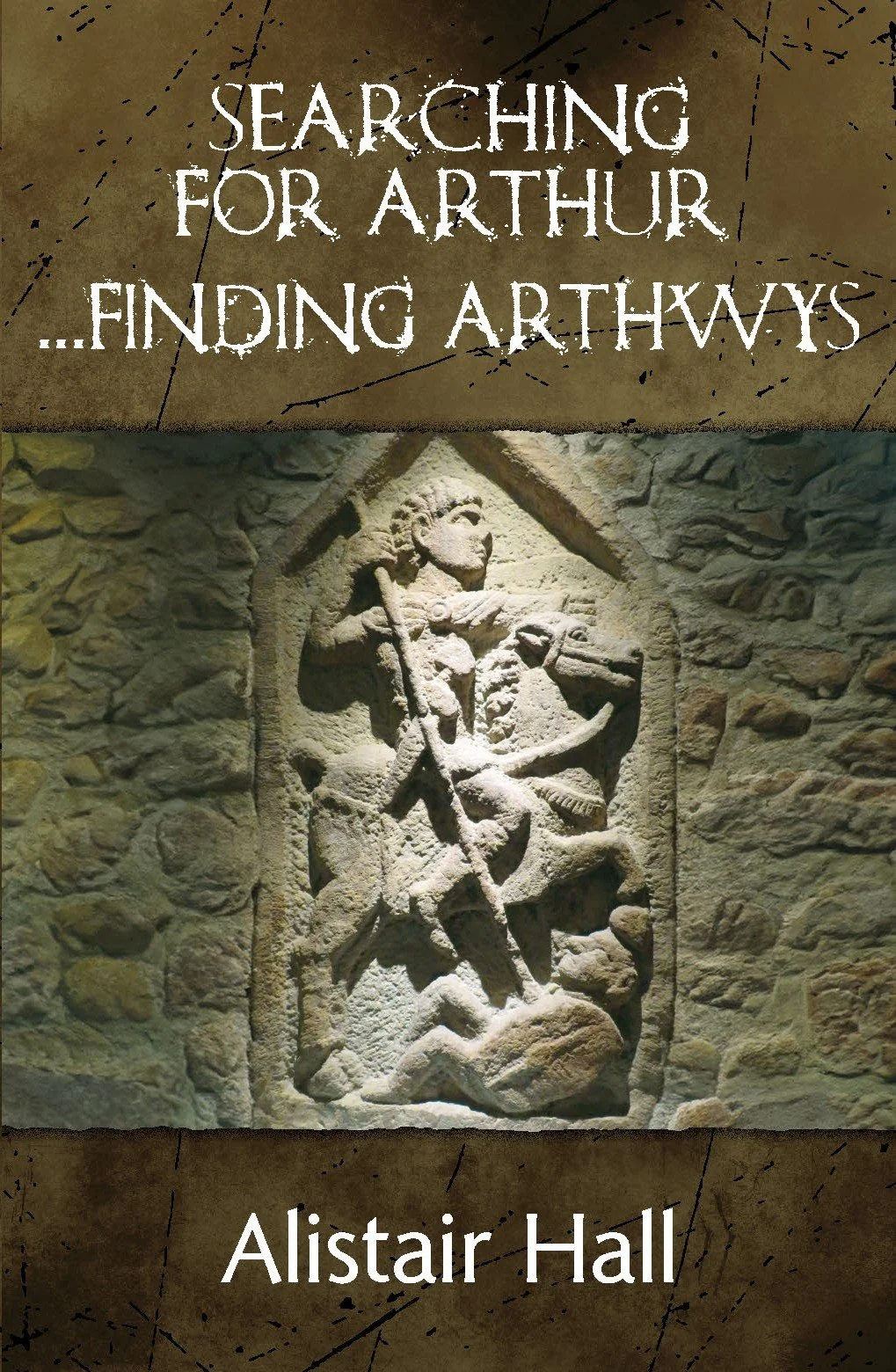
Was King Arthur a myth of medieval romance… or a Northern war commander forged in the collapse of Roman Britain?
In Searching for Arthur… Finding Arthwys, historian and field researcher Alistair Hall draws on decades of site investigation and detailed analysis of early sources to re-examine Dark Age Britain.
Challenging traditional assumptions about the Battle of Badon and the political geography of sub-Roman Britain, Hall argues that the twelve battles listed in the Historia Brittonum were not scattered events, but part of a rapid and brutal military campaign fought against the Jutes and Saxons.
Grounded in Sub-Roman Britain history and post-Roman political reality, this book offers a realistic, evidence-based account of the origins of the Arthurian legend.
Reader Reviews for Arthwys of the North
“Well drawn and likeable characters, evocative descriptions of fifth century Britain with believable and accessible dialogue. Hall brings warlords and their friends, families and enemies alive. Highly recommended.”
“Packed with bloody cavalry charges, treacherous political scheming, and the brutal reality of fifth-century warfare. Highly recommended for anyone who wants to experience the true, unvarnished history behind Britain's greatest legend.”
“A masterpiece of imaginative historical fiction…Hall brings the dark ages to life with a wonderful array of well-drawn heroes and villains, described in vivid and entrancing detail.”
“An epic realisation of the brutal fifth century when Britons faced deadly enemies from every direction...combines history, supposition and legend in a compelling narrative.”

Reviews for Searching for Arthur… finding Arthwys
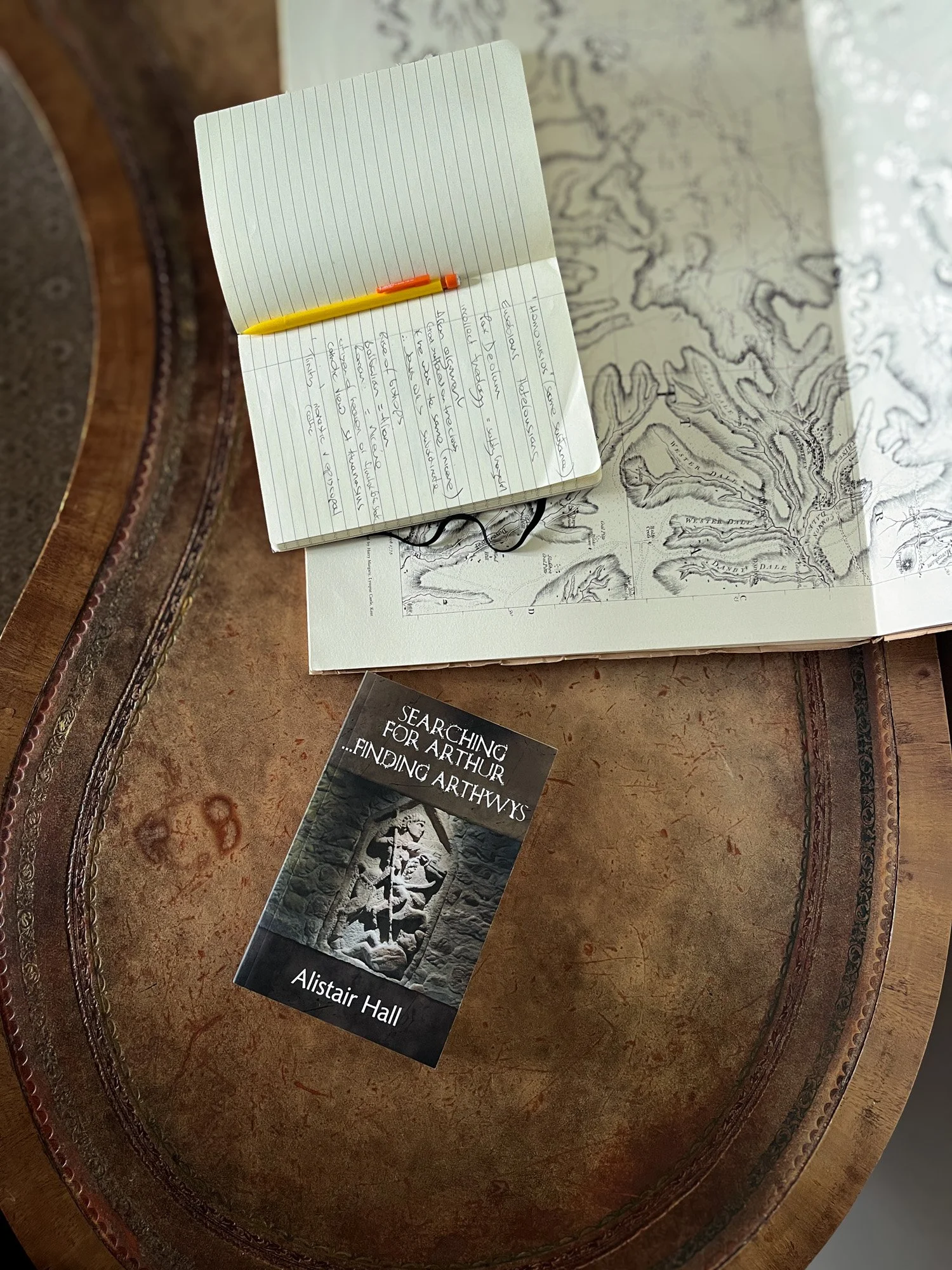
“Alistair Hall's meticulously researched study of the 'real Arthur' is a breath of fresh air in a field in which history and myth are often confused…Hall's years of research are evident, especially with the ease in which he approaches the primary source evidence. A great read!”
“Searching for Arthur’ is a fascinating and thought-provoking exploration of one of Britain’s greatest historical mysteries... Hall’s decades of research present a compelling case…His argument for identifying the historical Arthur as the northern war leader Arthwys demonstrates an impressive conquering of the sources relating to post-Roman Britain.”
“Immensely detailed and well-researched. Through Hall's meticulous examination of the topography of Britain, combined with his extensive knowledge of the period, he forms a convincing and well supported argument for Arthur's real histriocity and northern linneage.”
Sign up to Alistair’s newsletter and receive a FREE Glossary of fifth-century terms, people and place names.
Follow Alistair on social media